Showing Posts From
Vocal identity
AI Voice Cloning: Clone Your Voice for Multilingual Videos
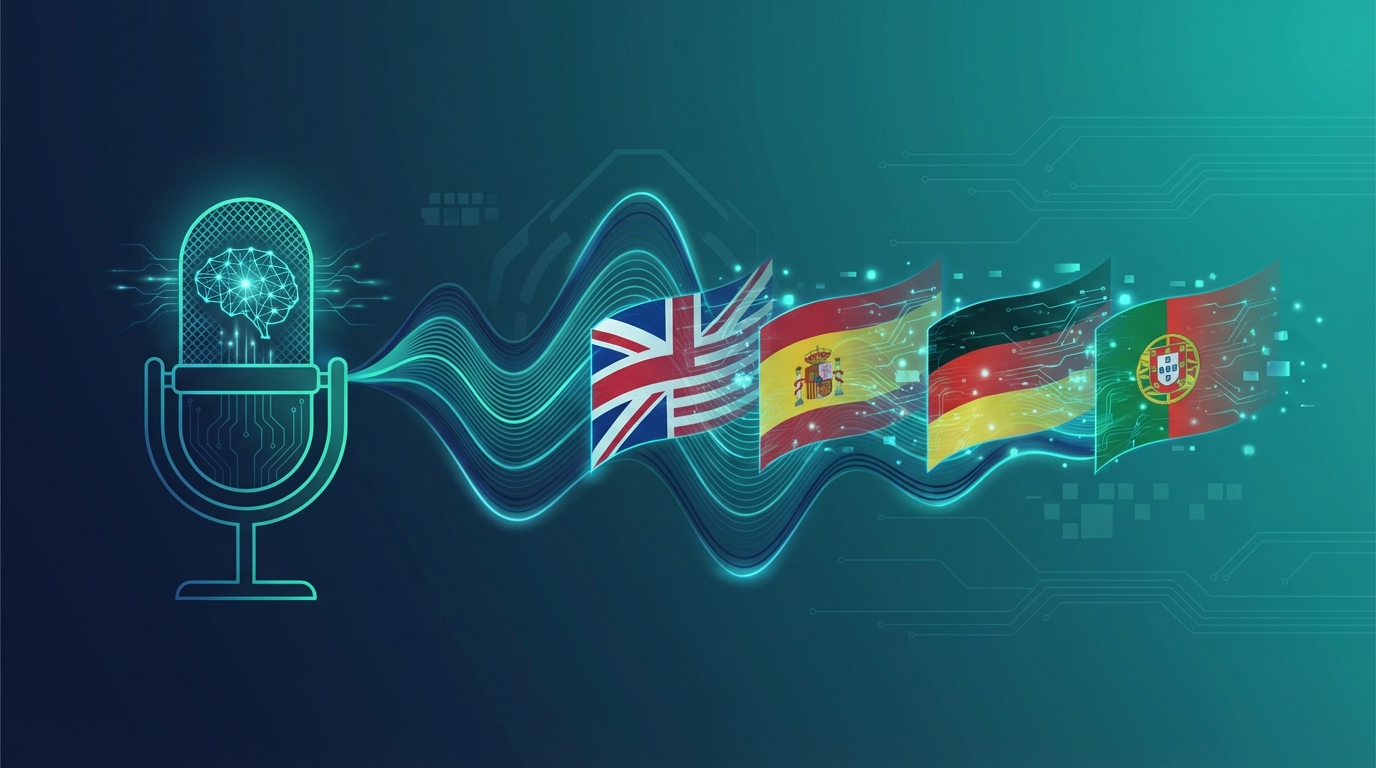
There's something almost magical about hearing your own voice speaking fluently in a language you don't know. Not a generic voice, not an unknown voice actor, but your voice - with your timbre, your inflections, your personality - perfectly pronouncing words in Spanish, German, or Japanese. This is AI voice cloning, and it's radically changing how creators communicate with global audiences.Important: voice cloning isn't science fiction. It's a mature technology that lets you maintain your unique vocal identity in any language, creating an authentic experience for your international audience.🎙️ What Is AI Voice Cloning Voice cloning is a technology that uses artificial intelligence to analyze and replicate the unique characteristics of a human voice. This isn't simple imitation: the AI learns the timbre, rhythm, natural pauses, micro-inflections, and even the imperfections that make a voice recognizable. The result is a synthetic voice indistinguishable from the original that can pronounce any text in any supported language while maintaining the speaker's vocal identity. For content creators, this means reaching audiences worldwide without losing that personal connection created through voice. When a follower in Brazil hears a video dubbed with your cloned voice, they don't perceive a stranger speaking for you - they perceive you. 💡 How the Technology Works The voice cloning process is based on deep neural networks trained on massive vocal datasets. Here's what happens when you clone your voice: Phase 1 - Vocal Analysis: The AI analyzes samples of your voice (just a few minutes of clean audio) and extracts hundreds of parameters: fundamental frequency, formants, prosody, speech rate, breathing patterns. Phase 2 - Model Creation: These parameters are encoded into a unique vocal model - a kind of "fingerprint" of your voice that the AI can use to generate new audio. Phase 3 - Synthesis: When you provide text (in any language), the AI pronounces it using your vocal model. The result maintains your characteristics while perfectly articulating phonemes you might not even know how to pronounce.Pro Tip: for the best voice clone, provide high-quality audio recorded in a quiet environment. Avoid background music and ambient noise - the cleaner the sample, the more accurate the clone.⚡ ElevenLabs: The Technology Behind NovaDub Not all voice cloning technologies are equal. NovaDub uses ElevenLabs, universally recognized as the best voice synthesis platform on the market. What makes ElevenLabs superior? Naturalness: Generated voices include natural breaths, contextual pauses, and tonal variations that eliminate the typical "robotic" effect of traditional voice synthesis. Emotional Fidelity: The AI doesn't just replicate timbre - it also captures emotional nuances. An enthusiastic passage will sound enthusiastic, a serious one will sound serious. Cross-linguistic Quality: Many systems lose quality when changing languages. ElevenLabs maintains vocal fidelity even going from Italian to Japanese or English to Arabic. Accurate Lip-sync: The timing of generated audio naturally adapts to the original video's lip movement, avoiding that annoying desynchronization typical of traditional dubbing. 📝 Tutorial: Clone Your Voice in 5 Steps Here's how to use voice cloning with NovaDub to dub your videos: Step 1: Prepare the Source Audio Your original video serves as the vocal sample. For optimal results:Clear audio without music overlapping the voice At least 30 seconds of continuous speech Tonal variety (not monotone) No vocal overlappingStep 2: Upload the Video Log into NovaDub and upload your video. Supported formats: MP4, MOV, WebM up to 2GB. Step 3: Select Target Languages Choose which languages you want for dubbing. The most strategic for ROI are:Spanish - 550 million speakers Portuguese - Brazil is booming German - Very high CPM French - Solid European marketStep 4: Activate Voice Cloning NovaDub automatically analyzes your voice from the original video and creates the model for your clone. You don't need to do anything special - ElevenLabs technology handles everything in the background. Step 5: Generate and Publish In a few minutes you'll have the dubbed versions. You can download them or, with Social Sync, publish them directly to your YouTube and TikTok channels.Note: NovaDub offers 5 free minutes to test voice cloning quality on your voice. No credit card required.🎯 Use Cases for Content Creators Voice cloning opens possibilities that were previously unthinkable: YouTubers and content creators: Expand your channel into new markets while maintaining authenticity. Your international fans will hear you, not an unknown voice actor. Podcasters: Make your episodes accessible to non-English audiences without losing your radio personality. Online educators and coaches: Your courses can reach students worldwide with your voice, maintaining that personal relationship essential to teaching. Businesses and brands: Corporate videos, product demos, onboarding - all with a consistent voice in every market. Influencers: Sponsored campaigns that work in multiple markets simultaneously, with your authentic voice. ⚠️ Ethics and Limits of Voice Cloning Voice cloning raises important ethical questions. The fundamental rule is simple: only clone your own voice or voices for which you have explicit consent. Using voice cloning for:✅ Dubbing your own content ✅ Creating multilingual versions of your brand ✅ Projects with explicit consent from the voice owner ❌ Impersonating other people without consent ❌ Creating deceptive or fake content ❌ Voice fraud or scamsSerious platforms like NovaDub implement security measures to prevent abuse. Responsible use of technology is fundamental for its sustainable development.Warning: voice cloning should only be used on your own voice or with explicit consent. Improper use can have legal consequences and damage trust in the technology.💰 How Much Does Voice Cloning Cost? With NovaDub, voice cloning is included in the dubbing cost - there's no additional charge for vocal cloning. NovaDub Pricing:Lite: €0.99/minute (with watermark) Pro: €1.49/minute (no watermark) Subscriptions: from €19/month for 15 minutesFor a concrete example: dubbing a 10-minute video in 3 languages (Spanish, German, French) with your cloned voice costs about €45 with the Pro plan. Professional studio dubbing? At least €2,000-3,000 for the same languages. The ROI is evident: if those additional markets bring even just 30% more views, you've paid back the investment many times over. ✅ How to Get Started with NovaDub Ready to make your voice speak worldwide? Here's the action plan:Sign up free at NovaDub - get 2 trial minutes Upload a test video with your voice Select a language to test clone quality Verify the result - you'll hear your voice in the new language Scale with pay-as-you-go or subscription plansThe future of content creation is multilingual, and voice cloning makes it possible to maintain your authenticity everywhere. You're no longer limited by language - your voice can reach anyone, anywhere.Ready to clone your voice? Try NovaDub free and discover how your voice sounds in other languages. Have questions about voice cloning? Write us at [email protected] or leave a comment below!